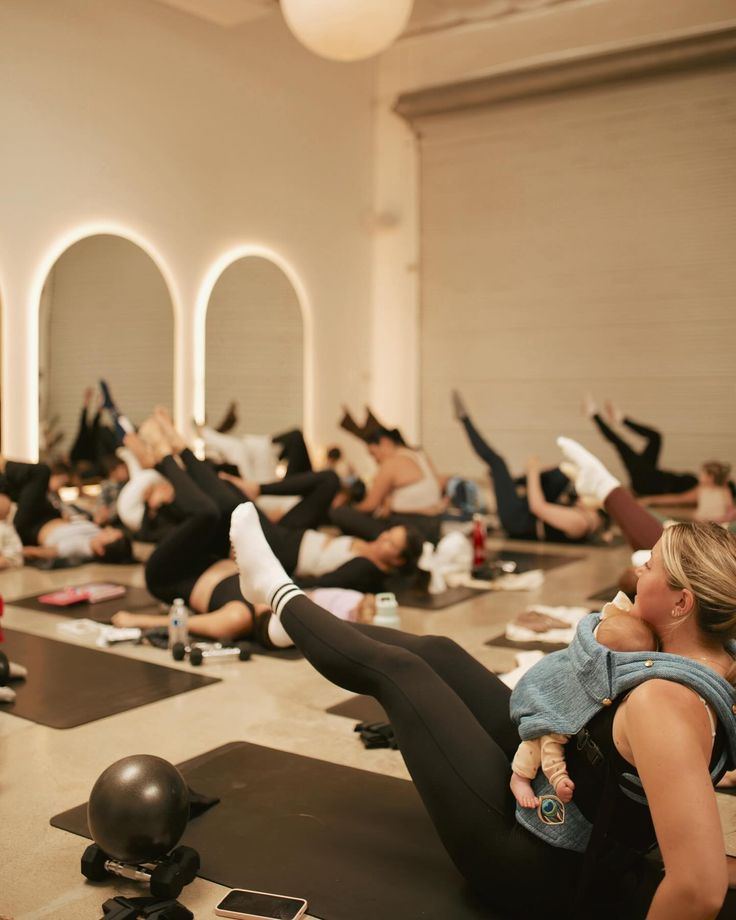
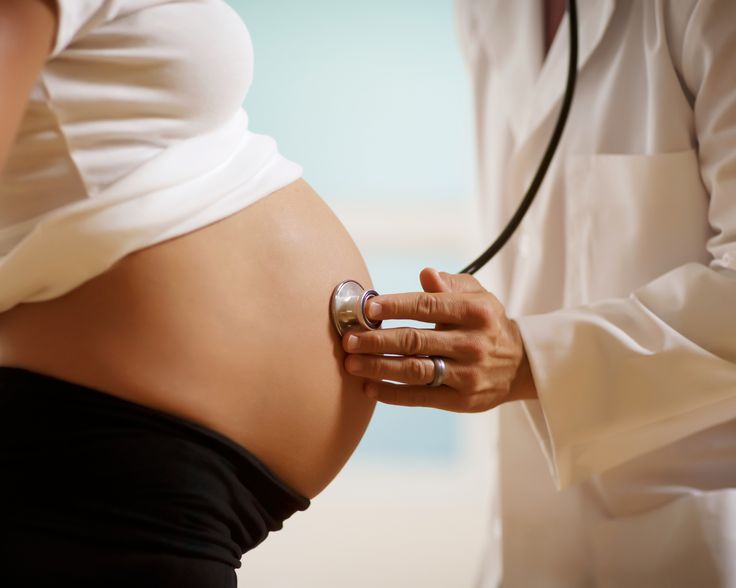
Pregnancy and the postpartum period are major life transitions that reshape the body, identity, and daily routines long after birth. This post explores why group fitness programs designed specifically for pregnant and postpartum parents play an important role in maternal health when led by trained professionals. It explains how pregnancy alters movement, posture, breathing, and pelvic floor function, and why the myth that pregnant bodies are “too fragile” to move often leads to unnecessary fear or avoidance. The post highlights how skilled group fitness provides structure, education, and community while supporting safe progression through pregnancy and postpartum recovery. It also addresses the often-overlooked postpartum transition, the limitations of traditional follow-up care, and how pelvic health physical therapy complements group fitness. Rather than focusing on “bouncing back,” this piece reframes recovery as building resilience, confidence, and long-term function through informed movement and community-based support.
prenatal physical therapydaily mobility routinepelvic floor therapypostpartum recoverybirth preparationpostpartum healingChildbirth EducationWellnessbirth prep classpregnancy educationpreparing for laborParenting Supportpelvic floor therapy for dadspartner birth preparationco-parent support strategiesanxiety and pelvic floorhypertonic pelvic floorpelvic floor tension releasenervous system regulation pelvic healthpelvic pain and stress connectionpelvic floor yogapelvic floor awareness in yogapelvic floor dysfunction in yogacore and pelvic floor stabilityphysical therapy clinicbody balance and strengthmindful recoverywhat is trauma-informed physical therapybenefits of pelvic floor physical therapyinclusive and compassionate physical therapy carehow pelvic floor therapy helps women recoverfirst pelvic floor PT visitwhat to expect pelvic floor therapyHoliday health awarenessbladder urgency supportpelvic health tipsbladder irritantspelvic floor survival guidevulva carevulvar irritation reliefbest moisturizers for vulvar skinlubricants for pain with sexvulvar pain treatmentvulvar burning relieflichen sclerosus skin careCBD vulvar balmvulvar moisturizer guidebarrier creams vulvar irritationmenopause vulvar drynesspain with intercourse solutionsTTC self-care strategiespelvic mobility and fertilityfertility for irregular cyclesconception timing tipsfertility and stressfertility lifestyle habitsimprove ovulation naturallybasal body temperature trackingInito fertility monitorMira fertility monitorPractically Perfect Physical Therapyphysical therapy practice welcomepelvic health physical therapyorthopedic physical therapyosteoporosis and bone health carebalance and fall prevention therapycommunity physical therapy classespatient-centered healthcareGalloway NJ physical therapybone healthosteoporosis awarenessosteopenia vs osteoporosismenopause and bone densitystrength training for bone healthfracture preventionaging and bone healthMaternal Health Awareness Day 2026maternal health continuumpostpartum care beyond six weeksmaternal health disparitiespregnancy and postpartum supportpregnancy group fitnesspostpartum group fitnessprenatal exercise educationcommunity-based maternal caregroup fitness mental health benefits