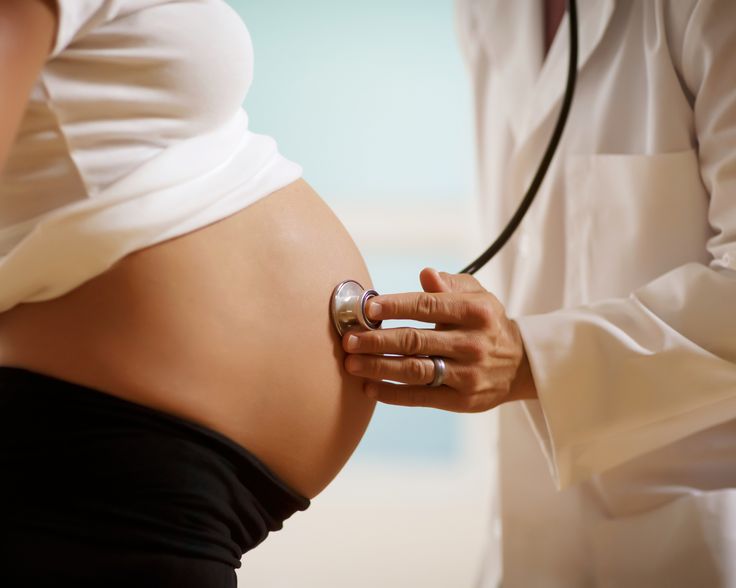
Holding Ground on Maternal Health: Why Awareness Matters Even More in 2026
Holding Ground on Maternal Health: Why Awareness Matters Even More in 2026
In honor of Maternal Health Awareness Day — January 23, 2026
Maternal health is a lifelong continuum that begins before pregnancy, continues through birth, and extends far beyond the early postpartum period. Yet for many families, maternal health is still discussed only when something goes wrong. Maternal Health Awareness Day exists to change that narrative—to keep us grounded in prevention, equity, education, advocacy, and support.
Since 2017, New Jersey has observed Maternal Health Awareness Day on January 23. Leading stakeholders in maternal medicine sought to ensure that maternal health would become a public health priority. This year’s theme, “Holding Ground on Maternal Health,” is especially meaningful at a time when policy decisions are threatening to exacerbate disparities in health outcomes in pregnant parents.
Why Maternal Health Awareness Day Exists
Maternal Health Awareness Day was formally established in New Jersey in 2017 following collaborative advocacy efforts by the New Jersey Section of the American College of Obstetricians and Gynecologists (ACOG), the Tara Hansen Foundation, Robert Wood Johnson Medical School, New Jersey Medical School, the New Jersey Obstetrical & Gynecological Society, the Association of Women’s Health, Obstetric and Neonatal Nurses, and the New Jersey Affiliate of the American College of Nurse-Midwives.
Their goal was clear: raise awareness of maternal health issues across the entire population, not just among pregnant individuals or healthcare providers. Maternal health outcomes reflect the health of a society as a whole—its access to care, education, equity, and long-term support systems.
The State of Maternal Health in the United States
Despite significant technical and medical advances, the United States continues to experience higher rates of maternal morbidity and mortality compared to other “high-income” nations. According to the Centers for Disease Control and Prevention (CDC), an estimated 80% of pregnancy-related deaths are preventable, often tied to delays in diagnosis, gaps in care, systemic racism, or lack of follow-up during the postpartum period.
Importantly, many complications occur after delivery, sometimes weeks or months postpartum—when medical visits become less frequent and support often diminishes. This status quo is nowhere near good enough.
Disparities That Cannot Be Ignored
Maternal health outcomes are not experienced equally. Persistent racial and socioeconomic disparities continue to shape who receives timely, comprehensive, and respectful expert care.
Black and Hispanic women in the United States experience significantly higher rates of pregnancy-related complications and death compared to white women, regardless of income or education level. Indigenous populations and individuals living in rural or underserved communities also face disproportionately elevated risks. These disparities reflect systemic issues, including access to care, implicit bias, chronic stress, and social determinants of health.
Holding ground on maternal health means acknowledging these realities and advocating for solutions that extend to all.
Maternal Health Is More Than Pregnancy and Birth
One of the most limiting misconceptions about maternal health is that it begins with a positive pregnancy test and ends at a six-week postpartum visit.
In reality, maternal health includes:
Preconception health and chronic condition management
Physical and mental health during pregnancy
Labor and delivery support
Postpartum recovery (physical, emotional, and hormonal)
Long-term pelvic, musculoskeletal, and mental health
Access to education, movement, and community support
Reliable, affordable childcare options
Conditions such as pelvic pain, incontinence, diastasis recti, birth trauma, anxiety, depression, and feeding challenges are common—but they are not “just part of being a parent.” They are treatable, and early support matters. There is never shame in asking for help, even if your mother-in-law insists you are being dramatic.
The Role of Pelvic Health and Rehabilitation Care
Pelvic health physical therapy plays a critical role in maternal health across the lifespan.
These services support individuals during pregnancy, postpartum recovery, and beyond by addressing:
Pelvic floor function and coordination
Bladder and bowel health
Pain with movement, intimacy, or daily tasks
Core and postural stability
Recovery after vaginal or cesarean birth
Nervous system regulation and body awareness
Rehabilitation providers often serve as an additional layer of care—one that emphasizes education, prevention, and functional recovery. This collaborative approach aligns with ACOG’s emphasis on comprehensive postpartum care, which recognizes that healing does not follow a rigid timeline.
Education as a Form of Prevention
One of the most powerful tools in improving maternal health outcomes is education. Knowing what is normal, what is not, and when to seek support can prevent minor issues from becoming major ones.
Education empowers individuals to:
Advocate for their needs
Recognize early warning signs
Seek appropriate care sooner
Build a network of trusted professionals
Feel confident navigating the postpartum period
Birth preparation classes, postpartum education, group fitness programs, and community-based support all contribute to healthier outcomes—not just physically, but emotionally and socially as well. If the needs of mothers, babies, and children are not met, our communities are not thriving.
Holding Ground Means Staying Committed
Maternal Health Awareness Day reminds us that progress requires consistency from all stakeholders, including men and non-parent adults. Local, state, and federal governments & universities must continue to fund programs, train providers, listen to patient experiences, and expand access to care—even when maternal health is no longer dominating the news cycle.
Holding ground means:
Supporting policies that expand postpartum coverage
Prioritizing mental health screening and treatment
Valuing interdisciplinary care teams
Addressing disparities with intention and accountability
Normalizing conversations about postpartum recovery
Maternal health is neither a niche nor a women’s health only issue. It affects every single human living in a community.
How Communities Can Support Maternal Health
You do not need to be pregnant—or a healthcare provider—to make a difference.
Supporting maternal health can look like:
Encouraging new parents to seek help without guilt
Sharing reputable, peer-reviewed, evidence-based information
Advocating for policies that protect maternal well-being
Normalizing postpartum care beyond six weeks
Valuing rest, recovery, and support as necessities—not luxuries
When communities hold ground on maternal health, families are stronger, outcomes improve, and current & future generations benefit.
Moving Forward Together
As we observe Maternal Health Awareness Day on January 23, 2026, we commit to the idea that maternal health deserves sustained attention, meaningful action, and compassionate care.
Awareness is the first layer of action—but education, access, and community support are what truly move the needle. Maternal health matters.
If you’re struggling, please check out our community partner Island Therapy who specializes in many areas including peripartum mental health → https://www.islandtherapyllc.com/
📞 Call or text us: (609) 300-3963
📍 Visit us at Practically Perfect Physical Therapy in Galloway, NJ
💻 See our services at www.practicallyperfectpt.com
📲 Follow us on Facebook & @PracticallyPerfect.PT on Instagram
References
American College of Obstetricians and Gynecologists (ACOG). Maternal Mortality Prevention. https://www.acog.org/advocacy/policy-priorities/maternal-mortality-prevention/maternal-health-awareness-day
Centers for Disease Control and Prevention (CDC). Pregnancy-Related Deaths: Data and Statistics. https://www.cdc.gov/reproductivehealth/maternal-mortality
New Jersey Department of Health. Maternal and Infant Health Initiatives. https://www.nj.gov/health
World Health Organization (WHO). Trends in Maternal Mortality. https://www.who.int
