From Pregnancy to Postpartum: Why Movement and Skilled Support Matter More Than Ever
From Pregnancy to Postpartum: Why Movement and Skilled Support Matter More Than Ever
Pregnancy and the postpartum period are often described as brief chapters that will “pass quickly.” But anyone who has lived through them knows that these transitions reshape the body, identity, and daily life in lasting ways. How people are supported during this time matters—not just for birth outcomes, but for long-term physical and emotional health.
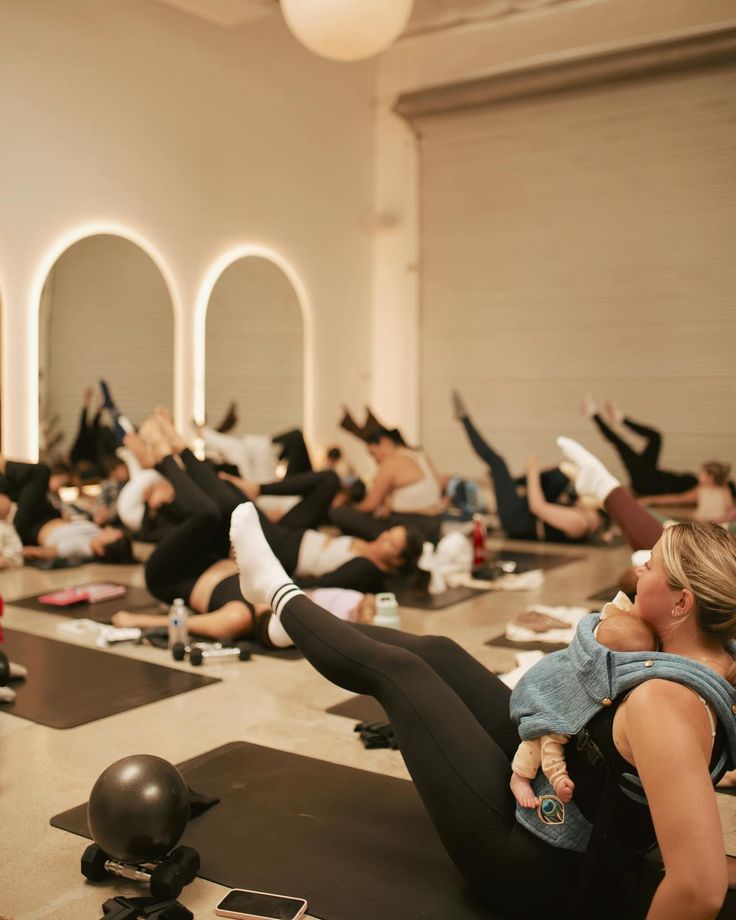
In recent years, there has been a growing recognition that movement, education, and community-based support are essential components of maternal health. Group fitness programs designed specifically for pregnant and postpartum parents—when led by trained professionals—can play a powerful role in improving outcomes, reducing fear, and helping families feel less alone.
Pregnancy Is Not a Condition—But It Is a Major Physical Transition
Pregnancy is not an illness, yet it places unique and significant demands on the body. Muscles, joints, connective tissue, and the nervous system adapt continuously to support a growing pregnancy.
Common physical changes include:
Shifts in posture and center of gravity
Increased joint mobility due to hormonal changes
Changes in breathing mechanics
Altered core and pelvic floor function
Fatigue and decreased tolerance for certain activities
Without guidance, many pregnant individuals are told to “just listen to your body” without being taught how to interpret what they feel. This often leads to either pushing through discomfort or avoiding movement altogether, which can be unsafe.
The Myth of “Too Fragile to Move”
One of the most persistent misconceptions in pregnancy care is that movement is risky. In reality, evidence consistently shows that appropriate physical activity during pregnancy is safe and beneficial for most individuals.
According to the American College of Obstetricians and Gynecologists (ACOG), regular physical activity during pregnancy can:
Reduce risk of gestational diabetes and hypertensive disorders
Improve cardiovascular fitness
Decrease back and pelvic pain
Support mental health and stress regulation
Prepare the body for labor and delivery
Why Group Fitness Matters During Pregnancy
Group fitness programs designed for pregnancy offer benefits that go beyond exercise alone.
They provide:
Structure and consistency
Education woven into movement
A sense of community and shared experience
Reassurance that symptoms are common
Confidence-building through guided progression
When participants move alongside others in similar life stages, fear decreases and trust in the body increases.
Skilled Instruction Makes All the Difference
Not all fitness classes are created equal.
Pregnancy-specific group fitness led by professionals trained in maternal health considers:
Pelvic floor coordination
Pressure management and breathing strategies
Modifications for common discomforts
Signs that warrant referral or further evaluation
Emotional and psychological aspects of movement
This approach bridges the gap between traditional fitness and medical care, ensuring participants are supported rather than left guessing.
The Often-Missed Postpartum Transition
Postpartum care in the United States has historically been limited, often centered around a single follow-up visit 6 weeks after delivery. Yet postpartum recovery is not linear, nor is it brief.
Common postpartum experiences include:
Core and pelvic floor weakness
Pain with movement or daily tasks
Fatigue and sleep deprivation
Changes in body awareness
Emotional dysregulation and identity shifts
Dyspareunia
…and yet, the dominant narrative is that postpartum parents are good to go.
How Pelvic Health Care Complements Group Fitness
Pelvic health physical therapy provides individualized assessment and treatment, while group fitness offers community and consistency. Together, they create a comprehensive support system.
Pelvic health care can address:
Incontinence or pelvic pain
Diastasis recti concerns
Scar mobility after cesarean or perineal trauma
Coordination of breathing and movement
Return-to-impact readiness
Group fitness then reinforces these skills in a functional, real-world setting.
Mental Health Benefits of Moving Together
Movement during pregnancy and postpartum is not just physical—it is deeply tied to mental health.
Group environments can:
Reduce anxiety and fear
Improve mood and energy levels
Provide social connection
Validate lived experiences
Support nervous system regulation
In a time when perinatal mood and anxiety disorders are increasingly recognized, supportive movement spaces matter.
Redefining “Bouncing Back”
The concept of “bouncing back” after pregnancy is outdated and harmful. Recovery is not about returning to a previous body—it is about building a capable, resilient body for the next phase of life.
Skilled group fitness programs emphasize:
Progress over perfection
Function over appearance
Education over comparison
Long-term health over quick fixes
This reframing supports healthier relationships with movement and the body.
Community-Based Care Improves Outcomes
When healthcare, fitness, and education intersect, outcomes improve. Community-based programs create access points for individuals who may not otherwise seek care, offering support before problems escalate.
These programs are not a luxury—they are a form of preventive healthcare.
Pregnancy and postpartum transitions deserve more than vague advice and minimal follow-up. They deserve informed guidance, compassionate support, and environments that foster confidence rather than fear.
Group fitness programs led by trained professionals are not just about exercise—they are about empowerment, education, and connection.
