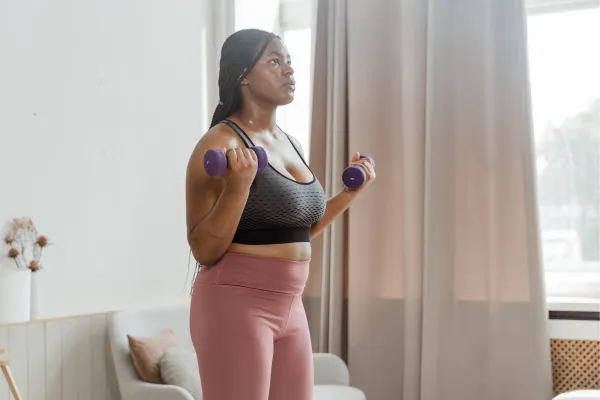
Why Strength Training Matters More Than Ever After 30 (Especially for Women)
Why Strength Training Matters More Than Ever After 30 (Especially for Women)
We’re told to stretch, eat our veggies, and maybe hit the treadmill. But there’s one essential piece of the wellness puzzle that often gets overlooked—strength training, especially for women. And here's the kicker: after age 30, it's not just helpful—it’s essential.
The Science of Strength: What Happens After 30?
Starting in your 30s, women begin to lose muscle mass and bone density at a gradual but steady rate. Without intervention, this natural decline can lead to:
Slower metabolism
Increased risk of injury
Poor posture and joint pain
Decreased balance and coordination
Early signs of osteopenia or osteoporosis
But there’s good news—strength training can dramatically slow (or even reverse!) many of these effects.
Meet Carla, 38
After two kids and years of putting everyone else first, Carla realized she didn’t feel like herself anymore—always tired, sore, and hesitant to try new activities. Her assessment showed early signs of muscle weakness and balance issues. With a simple home strength program focused on bodyweight resistance and core control, Carla now hikes weekly and feels stronger than she did in her twenties.
Why It’s Especially Important for Women
Hormonal changes, particularly during perimenopause and menopause, impact bone density, lean muscle mass, and overall energy. Women are also at a higher risk for conditions like osteoporosis, especially after 50.
Strength training boosts:
Bone density (hello, fracture prevention)
Muscle strength and joint stability
Posture and pelvic health (our specialty!)
Mental health through endorphin release and improved self-image
Jen’s Story, Age 54
When Jen entered perimenopause, she began noticing low energy, joint pain, and the dreaded “menopausal middle.” A DEXA scan showed osteopenia. She was hesitant about lifting weights but trusted our team to guide her. Within months, she was doing deadlifts (safely!) and reported less back pain, better sleep, and even improved pelvic floor symptoms.
How to Start—Without Intimidation
You don’t have to become a powerlifter to gain the benefits. At Practically Perfect Physical Therapy, we help people of all fitness levels:
Learn proper body mechanics
Build customized strength routines
Focus on form, function, and long-term sustainability
Address pelvic floor and core integration for safe lifting
Gina, 42, Was Afraid of the Gym
Gina told us, “I don’t even know where to begin—weights intimidate me.” We started with functional movements like sit-to-stands and resistance bands, right in our clinic. Gina now strength trains twice a week and recently lifted a 50-pound bag of mulch without pain—something that would’ve sidelined her last year.
Aging Strong, Not Fragile
You deserve to feel powerful in your own body—at any age. Whether you’re 30 or 70, it’s never too late to begin. Let us help you move confidently, build resilience, and age strong.
Diane, 67, Thought It Was Too Late
Diane came to us post-knee replacement, assuming her “active days” were behind her. We showed her how strength training isn’t just for athletes—it’s for everyone. She now participates in a local walking group, lifts light weights at home, and just joined her granddaughter in a yoga class for the first time.
Want to learn more or get started?
Call us at 609-300-3963 or visit www.practicallyperfectpt.com to schedule your 1:1 assessment today.
Patient names and stories modified to protect their privacy!
