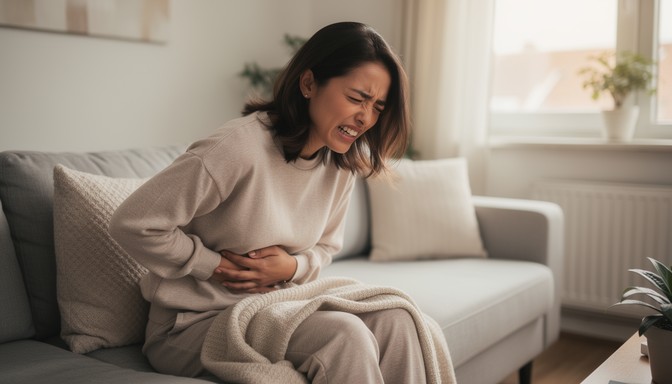
Interstitial Cystitis: What It Is, Why It Happens, and What Can Actually Help
Interstitial Cystitis: What It Is, Why It Happens, and What Can Actually Help
If you’ve ever been told your bladder symptoms are “normal,” “just stress,” or “something you have to live with,” you’re not alone. For many people living with Interstitial Cystitis (IC) also called Bladder Pain Syndrome getting answers can take years.
Interstitial cystitis affects an estimated 5% of Americans, yet it remains widely misunderstood, underdiagnosed, and often mismanaged. Let’s break down what IC really is, how it affects the body (especially the pelvic floor), and what evidence-based treatments can help improve quality of life.
What Is Interstitial Cystitis?
Interstitial cystitis is a chronic bladder condition characterized by pain, pressure, and urinary symptoms without a clear infection or structural cause. Over time, it has been referred to by many names, including:
Interstitial Cystitis
Painful Bladder Syndrome
Hypersensitive Bladder Syndrome
Hypersensitive Bladder
Urologic Pelvic Pain Syndrome
IC/Painful Bladder Syndrome
These names reflect how complex and overlapping IC symptoms can be and why it often takes so long to diagnose.
How Common Is IC (and Who Gets It)?
IC is often thought of as a “women’s condition,” but that’s not entirely accurate.
Approximately 6.5% of women and 4.6% of men are affected
Symptoms are often diagnosed in a person’s 40s, but
Research suggests symptom onset frequently begins much earlier, often in the 20s
There also appears to be a small genetic component:
About 4% of first-degree relatives of someone with IC will also develop IC
Why Is IC So Hard to Diagnose?
IC is considered a diagnosis of exclusion, meaning it’s diagnosed after other causes have been ruled out, such as:
Urinary tract infections (UTIs)
Bladder stones
Gynecologic conditions
Prostate conditions
Bladder cancer
There is no single definitive test for IC. Instead, diagnosis relies on symptom patterns, history, and ruling out other explanations which can be frustrating for patients seeking clear answers.
The Pelvic Floor Connection (This Part Is Huge)
The pelvic floor is a group of muscles that supports and surrounds the:
Bladder
Urethra
Sexual organs
Rectum
In people with IC, the pelvic floor is always involved in some way.
Chronic bladder irritation and pain can cause the pelvic floor muscles to become tight, guarded, and overactive. These muscles may develop trigger points or “knots”, which can:
Increase bladder irritation
Mimic bladder pain
Create urinary urgency and frequency
Contribute to painful sex or bowel symptoms
This creates a feedback loop: bladder pain increases muscle tension, and muscle tension worsens bladder symptoms.
Food Sensitivities and IC Flares
About 90% of people with IC report that certain foods or drinks worsen their symptoms.
Common triggers include:
Caffeine
Alcohol
Artificial sweeteners
Spicy foods
Citrus
Not everyone is sensitive to all of these. Some people react strongly to just one or two, while others are sensitive to many. Identifying personal triggers rather than following an overly restrictive diet - is key.
Common Symptoms of Interstitial Cystitis
IC symptoms vary person to person, but commonly include:
Suprapubic pain
Urinary frequency
Urinary urgency
Nocturia (waking at night to urinate)
Symptoms often fluctuate, with periods of flare and relative calm.
Conditions That Commonly Co-Exist With IC
People with IC are more likely to also experience other chronic or inflammatory conditions, including:
Irritable Bowel Syndrome (IBS)
Fibromyalgia
Allergies and asthma
Migraines
Depression
Coronary heart disease
This overlap highlights that IC is not just a bladder problem it often involves the nervous system, immune system, and pain processing pathways.
Treatment Options That Actually Help
There is no one-size-fits-all cure for IC, but multidisciplinary treatment can significantly reduce symptoms and improve function.
Evidence-Based Treatment Options Include:
Pelvic Floor Physical Therapy
Pelvic floor PT is considered a first-line, evidence-based treatment for IC. Therapy focuses on reducing muscle tension, addressing trigger points, improving coordination, and calming the bladder–pelvic floor connection.
Education & Self-Management
Understanding IC and how your body responds to stress, diet, and activity reduces fear and symptom amplification.
Stress & Nervous System Regulation
The bladder is highly sensitive to stress. Techniques that regulate the nervous system can reduce urgency, frequency, and flares.
Dietary Modification
Rather than blanket restriction, treatment focuses on identifying your specific triggers.
Medication
Some patients benefit from oral medications or bladder instillations as part of a comprehensive care plan.
PTNS (Percutaneous Tibial Nerve Stimulation)
PTNS is a promising neuromodulation treatment that works by influencing bladder and pelvic nerve signaling through the tibial nerve at the ankle.
At Practically Perfect Physical Therapy, we are able to perform PTNS in the clinic when appropriate, either as a standalone treatment or alongside pelvic floor physical therapy.
How Practically Perfect Physical Therapy Can Help
At Practically Perfect Physical Therapy, we specialize in pelvic health care that looks beyond the bladder alone. IC treatment at our clinic may include:
One-on-one pelvic floor physical therapy
Hands-on treatment for muscle tension and trigger points
Nervous system–informed care
Education for flare management and long-term symptom control
Dietary and lifestyle guidance
In-clinic PTNS when appropriate
We treat each patient as a whole person not a diagnosis and tailor care to your symptoms, history, and goals.
Located in Galloway, NJ
Call our office at (609) 300-3963 to schedule an evaluation or ask questions
Appointments are covered by insurance in most cases
You Don’t Have to “Just Live With It”
Interstitial cystitis is complex but that doesn’t mean you’re out of options. With the right care team and the right approach, meaningful relief is possible.
If bladder pain, urgency, or frequency are interfering with your life, we’re here to help.
